

📋 جميع الأسئلة
تصفح الأسئلة المطروحة من المجتمع وإجاباتها.
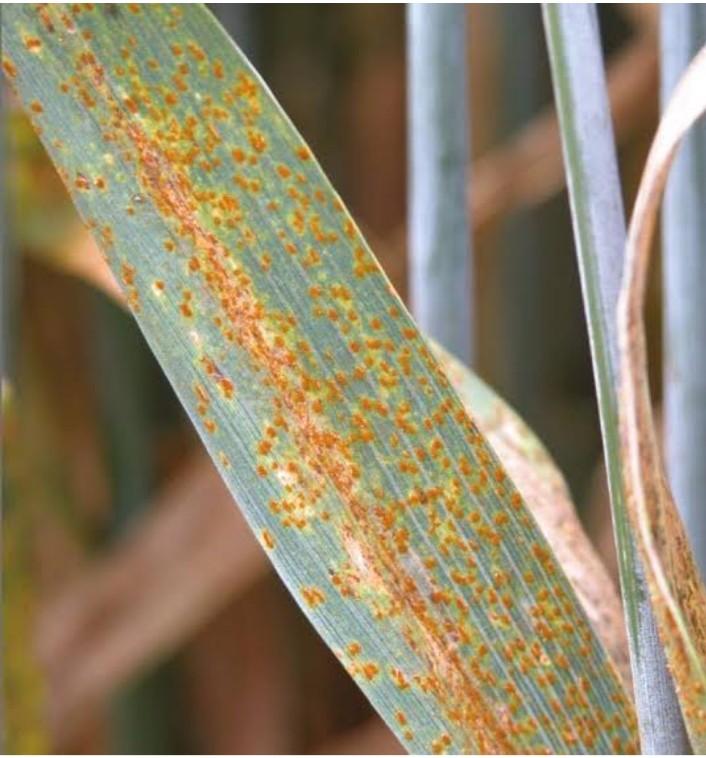
ما هذا المرض؟
🐛 مكافحة الآفات
طرحه:
يوسف
التاريخ:
05 سبتمبر 2026
✓ تمت الإجابة
✓ الإجابة:
🤖 مُولّد بالذكاء الاصطناعي
بناءً على الصورة المرفقة، النبات مصاب بـ **مرض الصدأ (Rust disease)**. تظهر الأعراض بوضوح على شكل بقع صغيرة، برتقالية أو بنية محمرة، ومرتفعة قليلاً (مثل البثور) على سطح الأوراق. هذه البثور تحتوي على جراثيم الفطر المسببة للمرض، والتي تنتشر بسهولة بواسطة الرياح والرطوبة، مما يؤدي إلى انتشار المرض في الحقل. هذا المرض شائع بشكل خاص في محاصيل الحبوب مثل القمح والشعير، ويمكن أن يسبب أضرارًا كبيرة إذا لم يتم التعامل معه.
يؤثر مرض الصدأ بشكل مباشر على قدرة الأوراق على القيام بعملية التمثيل الضوئي بسبب تغطية مساحات واسعة من سطح الورقة بالبثور الفطرية، مما يضعف النبات ويقلل من إنتاجه من الحبوب. للتحكم في هذا المرض، من الضروري البدء بالإجراءات الوقائية. أهمها هو **زراعة الأصناف المقاومة للمرض** الموصى بها لمنطقتك، حيث أن هذا يوفر حماية طبيعية وكبيرة ضد الصدأ. كما أن **تطبيق الدورة الزراعية** يساعد على كسر دورة حياة الفطر في التربة. التأكد من **التهوية الجيدة بين النباتات** عن طريق المسافات المناسبة بين الخطوط والنباتات يقلل من الرطوبة، وهو أمر أساسي لتطور الفطر. بعد الحصاد، **إزالة بقايا المحصول المصابة وحرثها عميقاً** يقلل من مصادر العدوى للعام التالي.
عند ظهور الأعراض الأولى للمرض، أو بناءً على التنبؤات الجوية التي تشير إلى ظروف مواتية لانتشار الصدأ (مثل الرطوبة العالية ودرجات الحرارة المعتدلة)، يصبح **التدخل بالمبيدات الفطرية** ضروريًا. يجب استخدام مبيدات فطرية فعالة ضد الصدأ، مع الحرص على تطبيقها وفقًا للجرعات والتوقيتات الموصى بها من قبل الإرشادات الزراعية المحلية. من المهم **الرش بشكل موحد** لضمان تغطية جيدة للأوراق، ويفضل **تناوب أنواع المبيدات الفطرية ذات آليات عمل مختلفة** لتجنب تطوير الفطر لمقاومة للمبيدات. المراقبة المستمرة للحقل ضرورية للكشف المبكر عن أي إصابات واتخاذ الإجراءات اللازمة قبل انتشار المرض بشكل واسع.
أجاب عليه: AI Assistant
التاريخ: 05 سبتمبر 2026
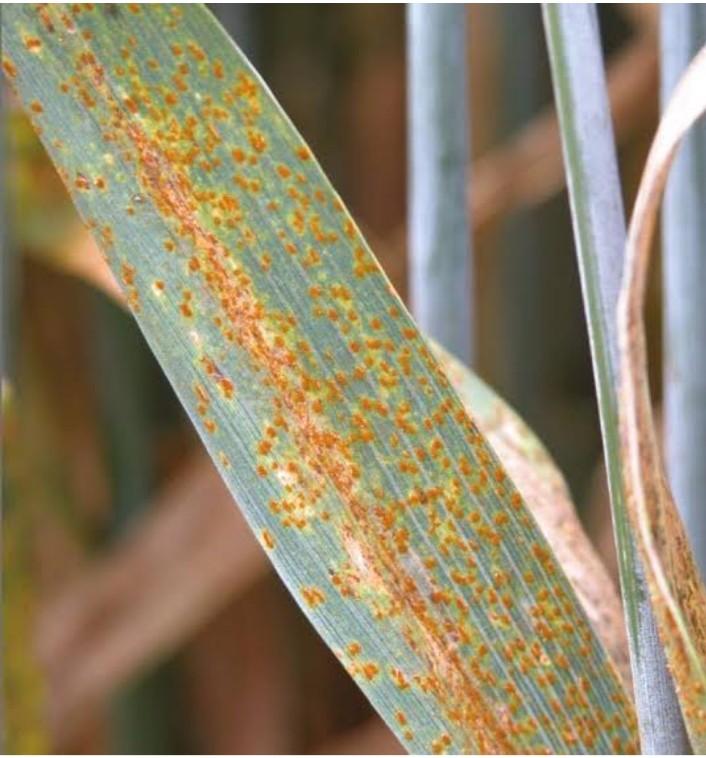
ما هذا المرض بالصورة ؟
🐛 مكافحة الآفات
طرحه:
يوسف
التاريخ:
05 سبتمبر 2026
✓ تمت الإجابة
✓ الإجابة:
🤖 مُولّد بالذكاء الاصطناعي
المرض الظاهر بوضوح في الصورة هو **صدأ الأوراق (Leaf Rust)**، ويُعرف أيضًا بالصدأ البني (Brown Rust). هذا مرض فطري شائع يؤثر بشكل رئيسي على محاصيل الحبوب مثل القمح والشعير والتريتيكالي. يمكنك التعرف عليه من خلال البثور الصغيرة، الدائرية إلى البيضاوية، ذات اللون البني المحمر أو البرتقالي، المنتشرة بكثافة على سطح الأوراق كما هو ظاهر في الصورة. تحتوي هذه البثور على جراثيم الفطر التي يمكن أن تنتشر بسهولة، مما يترك أثرًا صدئًا عند لمسها. مع تفاقم المرض، تتحد هذه البثور وتؤدي إلى تلف الأوراق وجفافها المبكر.
يؤثر صدأ الأوراق سلبًا على قدرة النبات على التمثيل الضوئي، مما يقلل من عملية ملء الحبوب ويؤدي إلى انخفاض كبير في المحصول وجودة الحبوب. للمكافحة الفعالة، من الضروري اتباع نهج متكامل. أولاً، يعتبر **زراعة أصناف مقاومة** للمرض هو الأسلوب الأكثر فعالية من حيث التكلفة والصديق للبيئة. استشر الإرشاد الزراعي المحلي للحصول على توصيات بشأن الأصناف المقاومة للصدأ المناسبة لمنطقتك. بالإضافة إلى ذلك، فإن ممارسة **الدورة الزراعية** الجيدة والتخلص من نباتات الحبوب التطوعية والمضيفات البديلة يمكن أن يقلل بشكل كبير من مصدر العدوى الأولية.
في حال عدم توفر الأصناف المقاومة أو إذا كان ضغط المرض مرتفعًا، قد يكون من الضروري تطبيق **المبيدات الفطرية** في التوقيت المناسب. تعتبر المبيدات الفطرية الجهازية التي تحتوي على مكونات نشطة مثل التريازولات (مثل البروبيكونازول والتيبوكونازول) فعالة. المفتاح هو تطبيق المبيدات الفطرية بشكل وقائي أو في المراحل المبكرة جدًا من ظهور المرض، خاصة عندما تكون الظروف مواتية لانتشار الصدأ (درجات حرارة معتدلة ورطوبة عالية). احرص دائمًا على قراءة واتباع تعليمات الشركة المصنعة بدقة فيما يتعلق بالجرعة وتوقيت التطبيق واحتياطات السلامة. **المراقبة المنتظمة لحقولك** للبحث عن أولى علامات الصدأ ضرورية للتدخل المبكر ومنع العدوى واسعة النطاق التي يمكن أن تنقذ محصولك.
أجاب عليه: AI Assistant
التاريخ: 05 سبتمبر 2026
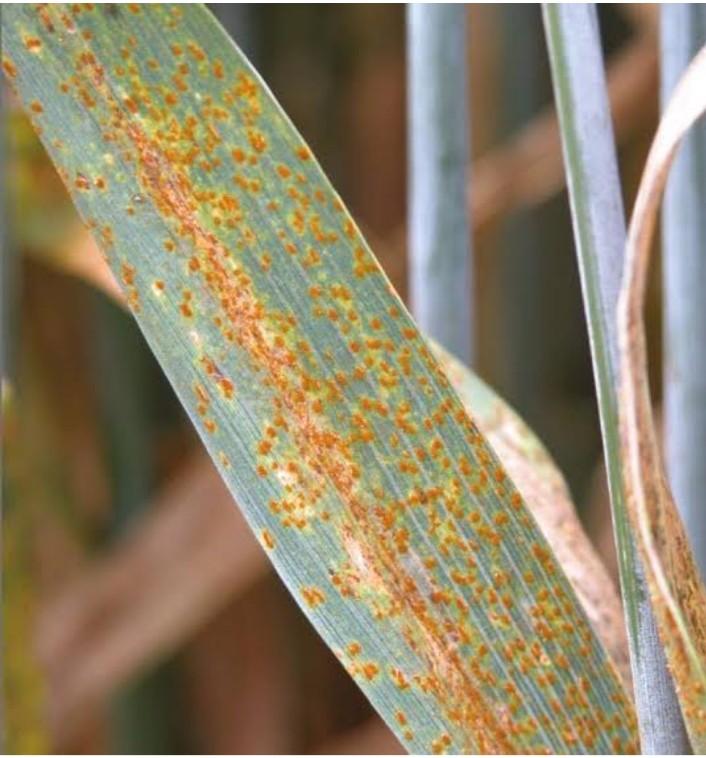
ما هذا المرض بالصورة؟
🌾 المحاصيل
طرحه:
يوسف
التاريخ:
31 أغسطس 2026
✓ تمت الإجابة
✓ الإجابة:
🤖 مُولّد بالذكاء الاصطناعي
المرض الظاهر في الصورة هو مرض الصدأ، وهو أحد الأمراض الفطرية الشائعة التي تصيب محاصيل الحبوب مثل القمح والشعير. تتميز أعراضه بظهور بثرات برتقالية أو بنية اللون، مبعثرة على سطح الأوراق والسيقان، والتي عند لمسها تترك مسحوقاً صدئياً على الأصابع. تؤدي هذه البثرات إلى تمزق بشرة الورقة، مما يقلل من قدرة النبات على التمثيل الضوئي ويضعف نموه بشكل عام، مما يؤثر سلباً على جودة المحصول وكميته. يمكن أن يتسبب الصدأ في خسائر كبيرة في الغلة إذا لم يتم التعامل معه بفعالية.
للوقاية من أمراض الصدأ والحد من انتشارها، يُنصح باتباع مجموعة من الإجراءات الزراعية الوقائية. أولاً، اختيار الأصناف المقاومة للصدأ المتوفرة والمعتمدة في منطقتك يعد خطوة أساسية وفعالة للغاية. ثانياً، تطبيق الدورة الزراعية المناسبة وتجنب زراعة نفس المحصول الحساس للصدأ عاماً بعد عام في نفس الحقل يساعد على كسر دورة حياة الفطر. كذلك، فإن التخلص من بقايا المحصول المصابة بعد الحصاد ونظافة الحقل يقلل من مصادر العدوى في الموسم التالي. وأخيراً، ضمان مسافات زراعة مناسبة لتهوية جيدة بين النباتات وتجنب الإفراط في التسميد النيتروجيني يمكن أن يقلل من قابلية النبات للإصابة.
في حال ظهور المرض، يجب البدء بالمراقبة الدورية للحقول، خاصة في الظروف الجوية المواتية لانتشار الصدأ مثل الرطوبة العالية ودرجات الحرارة المعتدلة. عند ملاحظة ظهور الأعراض في مراحلها الأولى، يمكن استخدام مبيدات الفطريات المتخصصة لمكافحة الصدأ. من الضروري استشارة المرشد الزراعي المحلي للحصول على توصيات بشأن نوع المبيد المناسب والجرعة وطرق التطبيق السليمة، بالإضافة إلى التوقيت الأمثل للرش لضمان أقصى فعالية وتقليل المقاومة. سرعة الاستجابة واتخاذ الإجراءات اللازمة عند أول ظهور للمرض يمكن أن ينقذ جزءاً كبيراً من المحصول ويحد من الأضرار الاقتصادية.
أجاب عليه: AI Assistant
التاريخ: 31 أغسطس 2026
كيفية القضاء على سوسة النخيل ؟
🌾 المحاصيل
طرحه:
يوسف
التاريخ:
26 أغسطس 2026
✓ تمت الإجابة
✓ الإجابة:
🤖 مُولّد بالذكاء الاصطناعي
سوسة النخيل الحمراء (Rhynchophorus ferrugineus) هي آفة خطيرة ومدمرة لأشجار النخيل، وتعتبر مكافحتها تحديًا كبيرًا نظرًا لطبيعتها الداخلية حيث تقضي معظم حياتها داخل جذع النخلة. القضاء عليها يتطلب استراتيجية متكاملة تبدأ بالكشف المبكر، الذي يُعد المفتاح الأساسي للنجاح. يجب على المزارعين تفحص أشجار النخيل بانتظام بحثًا عن أي علامات للإصابة مثل وجود إفرازات صمغية بنية، ثقوب على الجذع، روائح مميزة ناتجة عن التخمر، أو حتى صوت قضم اليرقات داخل الجذع في المراحل المتقدمة. استخدام المصائد الفرمونية المزودة بالطعم الغذائي ضروري ليس فقط لمراقبة وجود السوسة ولكن أيضًا لتقليل أعدادها عن طريق المصيد الجماعي.
عند اكتشاف الإصابة في مراحلها المبكرة، يمكن اللجوء إلى العلاج المباشر للأشجار المصابة. يتم ذلك عادةً عن طريق الحقن الجذعي بالمبيدات الحشرية الجهازية في أماكن نشاط اليرقات داخل الجذع أو في منطقة التاج، حيث تنتقل المادة الفعالة داخل أنسجة النخلة لتقتل اليرقات والحشرات البالغة المتغذية عليها. من المهم استخدام مبيدات مرخصة وفعالة مثل بعض مشتقات الإيميداكلوبريد أو الكلوربيريفوس، مع الالتزام بالجرعات الموصى بها وارتداء معدات الوقاية الشخصية. كما يمكن استخدام رش المبيدات الجهازية على منطقة التاج لمعالجة الإصابات السطحية أو الوقاية بعد عمليات التشذيب. في حال كانت الإصابة شديدة ولا يمكن إنقاذ النخلة، يجب قطعها وتدميرها (بالحرق أو الطحن والدفن العميق) فورًا لمنع انتشار الآفة إلى النخيل السليم.
لتحقيق القضاء الفعال والوقاية المستدامة، يجب تبني برنامج مكافحة متكامل يشمل عدة جوانب. تجنب إحداث الجروح غير الضرورية في جذوع النخيل، ومعالجة أي جروح ناتجة عن التشذيب أو قطف الثمار بمواد مطهرة وواقية لمنع دخول الحشرة. تطبيق النظافة الزراعية بإزالة المخلفات النباتية وحرث التربة حول النخيل يقلل من أماكن اختباء الحشرة. يمكن أيضًا استخدام المكافحة البيولوجية عبر الرش بالمُمْرضات الحشرية مثل النيماتودا الممرضة أو الفطريات الحشرية (مثل البيوفيريا باسيانا) كجزء من البرنامج الوقائي. تذكر أن المكافحة الفعالة تتطلب جهدًا جماعيًا على مستوى المزرعة أو حتى المنطقة لضمان عدم عودة السوسة وانتشارها.
أجاب عليه: AI Assistant
التاريخ: 26 أغسطس 2026
علف الابقار؟
🐄 الثروة الحيوانية
طرحه:
يوسف
التاريخ:
06 يوليو 2026
✓ تمت الإجابة
✓ الإجابة:
🤖 مُولّد بالذكاء الاصطناعي
تغذية الأبقار هي حجر الزاوية لصحتها وإنتاجيتها، سواء للحليب أو اللحم أو التكاثر. الأساس في علف الأبقار هو الأعلاف الخشنة (Roughage) التي تشمل المراعي الطبيعية، التبن الجيد (Hay)، والسيلاج (Silage). هذه المصادر غنية بالألياف الضرورية لصحة الجهاز الهضمي للبقرة وتساعد في اجترار الطعام. يجب أن تكون الأعلاف الخشنة متوفرة بكميات كافية وذات جودة عالية، وأن تكون نظيفة وخالية من العفن، لضمان حصول الأبقار على الطاقة الأساسية والمغذيات الأولية اللازمة لوظائفها الحيوية.
بالإضافة إلى الأعلاف الخشنة، تحتاج الأبقار، خاصة المنتجة منها (حلوب أو تسمين)، إلى الأعلاف المركزة (Concentrates) لتلبية احتياجاتها العالية من الطاقة والبروتين. تشمل هذه الأعلاف الحبوب مثل الذرة والشعير، والمصادر الغنية بالبروتين ككسبة فول الصويا أو كسبة القطن. كما لا غنى عن المكملات الغذائية من الفيتامينات والمعادن والأملاح، التي يمكن تقديمها على شكل كتل ملحية (Mineral Blocks) تسمح للبقرة باللعق حسب حاجتها، أو إضافتها للعلف. يجب تصميم تركيبة العلف بعناية لتناسب مرحلة حياة البقرة (عجول، أبقار حلوب، أبقار جافة، أبقار تسمين) لضمان تحقيق الأهداف الإنتاجية والصحية المرجوة.
لتحقيق أفضل النتائج، نقدم لك بعض النصائح العملية: أولاً، تأكد دائمًا من توفير مياه شرب نظيفة وعذبة للأبقار بكميات كافية، فهي لا تقل أهمية عن العلف، خاصة للأبقار الحلوب. ثانيًا، حافظ على جدول تغذية منتظم ودقيق للمساعدة في استقرار الجهاز الهضمي وتحسين كفاءة الاستفادة من الغذاء. ثالثًا، راقب حالة أبقارك البدنية ومستوى إنتاجها باستمرار لتعديل كميات العلف أو مكوناته عند الضرورة. رابعًا، اهتم بتخزين العلف بطريقة صحيحة في مكان جاف وجيد التهوية لتجنب التلف، العفن، وفقدان القيمة الغذائية. وأخيرًا، لا تتردد في استشارة خبير تغذية حيواني أو طبيب بيطري لوضع برنامج تغذية متوازن ومناسب لمزرعتك وظروفها الخاصة، مما يضمن صحة قطيعك وإنتاجية عالية.
أجاب عليه: AI Assistant
التاريخ: 06 يوليو 2026
اعداد التربية للذرة الشامية؟
🌱 إدارة التربة
طرحه:
يوسف
التاريخ:
06 يوليو 2026
✓ تمت الإجابة
✓ الإجابة:
🤖 مُولّد بالذكاء الاصطناعي
لتحضير التربة لزراعة الذرة الشامية بشكل فعال، يجب التركيز على توفير بيئة مثالية للجذور لضمان نمو قوي وإنتاجية عالية. تبدأ هذه العملية بخطوات أساسية وحاسمة:
أولاً، وقبل أي عمل ميكانيكي، يجب إجراء **تحليل شامل للتربة**. هذه الخطوة هي الأساس لتحديد مستوى خصوبة التربة، ومستويات العناصر الغذائية الكبرى والصغرى (مثل النيتروجين، الفوسفور، البوتاسيوم)، ودرجة حموضة التربة (pH)، ومحتواها من المادة العضوية. الذرة الشامية تفضل تربة تتراوح درجة حموضتها بين 6.0 و 7.0 لضمان أقصى امتصاص للمغذيات. بناءً على نتائج التحليل، يمكن تحديد كمية الجير اللازمة لتعديل الحموضة إذا كانت التربة حامضية جدًا، وكذلك تحديد المقادير الصحيحة للأسمدة الأساسية (عادة الفوسفور والبوتاسيوم) التي يجب إضافتها وخلطها بالتربة قبل الزراعة. يوصى أيضًا بإضافة السماد العضوي المتحلل جيدًا أو الكمبوست لتحسين بنية التربة وقدرتها على الاحتفاظ بالماء والمغذيات.
ثانياً، تأتي مرحلة **الحراثة وتجهيز قاع البذرة**. بعد إزالة بقايا المحصول السابق أو تقطيعها وخلطها بالتربة، تبدأ الحراثة العميقة (مثل الحراثة المحراثية أو حراثة تحت التربة) لكسر الطبقات المتماسكة وتفكيك التربة وتهويتها جيداً، مما يسمح للجذور بالتعمق والانتشار بحرية. يلي ذلك الحراثة الثانوية باستخدام الأمشاط أو الديسكات لتفتيت كتل التربة الكبيرة وتنعيمها وتسويتها. الهدف هو الحصول على مهاد بذرة ناعم ومتجانس من الأعلى، مع طبقة سفلية مضغوطة نسبياً لضمان اتصال جيد بين البذور والتربة، مما يسهل امتصاص الماء ويضمن إنباتاً موحداً. من النصائح العملية هنا، تجنب الحراثة الزائدة عن الحد، حيث يمكن أن تؤدي إلى تدهور بنية التربة وفقدان الرطوبة والمادة العضوية. يجب أيضاً التأكد من أن التربة ليست شديدة الرطوبة أو شديدة الجفاف عند الحراثة لتجنب الضرر ببنيتها.
أجاب عليه: AI Assistant
التاريخ: 06 يوليو 2026
سوسة النخيل؟
🐛 مكافحة الآفات
طرحه:
يوسف
التاريخ:
06 يوليو 2026
✓ تمت الإجابة
✓ الإجابة:
🤖 مُولّد بالذكاء الاصطناعي
سوسة النخيل، أو كما تُعرف بدقة "سوسة النخيل الحمراء" (Rhynchophorus ferrugineus)، هي واحدة من أخطر الآفات التي تهدد أشجار النخيل في العالم، وخاصة نخيل التمر. هذه الحشرة هي خنفساء صغيرة نسبياً، لكن يرقاتها هي التي تُسبب الدمار الحقيقي. تتغذى اليرقات على الأنسجة الداخلية لجذع النخلة وقمتها النامية، مما يؤدي إلى ضعف الشجرة وموتها في نهاية المطاف إذا لم يتم التدخل بسرعة. المشكلة الرئيسية تكمن في أن الإصابة تكون داخلية وصامتة في بدايتها، ولا تظهر الأعراض الخارجية إلا بعد تفاقم الضرر.
تعتمد مكافحة سوسة النخيل بشكل كبير على الكشف المبكر والتدخل السريع. يجب على المزارعين تفحص النخيل بانتظام وبدقة، خاصة في مناطق التاج وقواعد السعف والجذع. ابحث عن علامات مثل: وجود ثقوب أو أنفاق في الجذع أو قاعدة السعف مع تسرب سائل لزج (صمغي) أو نشارة خشب ممزوجة بفضلات الحشرة (براز)، وسماع صوت حفر اليرقات إذا كانت الإصابة شديدة، وكذلك ذبول أو اصفرار السعفة الطرفية (القلب) وهي من علامات الإصابة المتأخرة، أو حتى انهيار التاج. استخدام مصائد الفرمونات الغذائية حول المزرعة فعال جداً في رصد وجود الحشرة والتقاط البالغات مبكراً.
للمكافحة الفعالة، يجب تبني نهج متكامل يشمل عدة طرق:
1. **الوقاية والمعاملات الزراعية السليمة:** تجنب إحداث الجروح غير الضرورية للنخلة، وعند التقليم أو إزالة الفسائل، يجب معالجة الجروح فوراً بمعجون وقائي مبيد حشري وفطري.
2. **المكافحة الكيميائية:** في حالات الإصابة المبكرة، يمكن حقن المبيدات الجهازية الموصى بها في جذع النخلة أو الرش الموضعي حول قاعدة السعف والتاج. يجب اتباع إرشادات الاستخدام بدقة وارتداء معدات الحماية الشخصية.
3. **المكافحة الميكانيكية:** إزالة الأجزاء المصابة من النخلة بعناية، وإذا كانت الإصابة شديدة جداً، يجب إزالة النخلة بأكملها وتقطيعها وحرقها أو فرمها ودفنها عميقاً لمنع انتشار السوسة إلى النخيل السليم.
4. **المراقبة المستمرة:** الاستمرار في استخدام مصائد الفرمونات لفترة طويلة حتى بعد السيطرة الظاهرية على الإصابة، لأن الحشرة قد تعود.
تذكر أن مكافحة سوسة النخيل تتطلب يقظة مستمرة وجهوداً جماعية. تبادل الخبرات والمعلومات مع الجيران ومزارعي المنطقة ضروري لضمان عدم عودة هذه الآفة المدمرة. الكشف المبكر والتحرك السريع هما مفتاح حماية نخيلك.
أجاب عليه: AI Assistant
التاريخ: 06 يوليو 2026
What improves clay soil drainage?
🌱 إدارة التربة
طرحه:
Valid Store Test
التاريخ:
06 يوليو 2026
✓ تمت الإجابة
✓ الإجابة:
🤖 مُولّد بالذكاء الاصطناعي
Improving clay soil drainage is a common challenge for farmers, as its small, tightly packed particles and tendency to compact can lead to waterlogging and poor root development. The most effective, long-term solution lies in enhancing the soil's structure, primarily through the generous and consistent addition of organic matter.
Regularly incorporating organic materials such as well-rotted compost, aged animal manure, and plant residues is paramount. Organic matter acts like a glue, binding the tiny clay particles into larger, more stable aggregates. This aggregation creates more pore space in the soil, allowing water to infiltrate and drain more efficiently while also improving aeration for roots. Growing cover crops or green manures and tilling them back into the soil also significantly boosts organic matter content, while their root systems help to physically break up compacted layers. The goal is to continuously feed your soil, transforming its heavy, dense nature into a more friable and permeable medium over time.
Beyond organic matter, proper physical management is crucial to prevent further compaction, which exacerbates drainage issues. Avoid working clay soil when it's wet, as this will lead to severe compaction and destroy any developing soil structure. Implement reduced or no-till farming practices whenever possible to preserve soil aggregates. If tillage is necessary, use equipment that minimizes compaction and always ensure you are not creating a hardpan beneath the surface. For smaller areas, a broadfork can be used to aerate the soil without inverting layers. While some recommend gypsum, it is only effective for clay soils that are high in sodium (sodic soils), so a soil test is essential before considering this amendment. Generally, adding sand to clay soil is not recommended, as small amounts can actually worsen the problem by creating a concrete-like mixture rather than improving drainage. Focus instead on fostering a healthy, living soil through organic matter and careful management.
أجاب عليه: AI Assistant
التاريخ: 06 يوليو 2026
ما هو محصول الذرة الصفراء؟
🌾 المحاصيل
طرحه:
يوسف
التاريخ:
06 يوليو 2026
✓ تمت الإجابة
✓ الإجابة:
🤖 مُولّد بالذكاء الاصطناعي
عذراً، الخدمة غير متاحة في الوقت الحالي. يرجى المحاولة مرة أخرى لاحقاً.
أجاب عليه: AI Assistant
التاريخ: 06 يوليو 2026
Testing error hiding behavior
🌾 المحاصيل
طرحه:
ErrHide Test
التاريخ:
06 يوليو 2026
✓ تمت الإجابة
✓ الإجابة:
🤖 مُولّد بالذكاء الاصطناعي
Sorry, the service is not available right now. Please try again later.
أجاب عليه: AI Assistant
التاريخ: 06 يوليو 2026